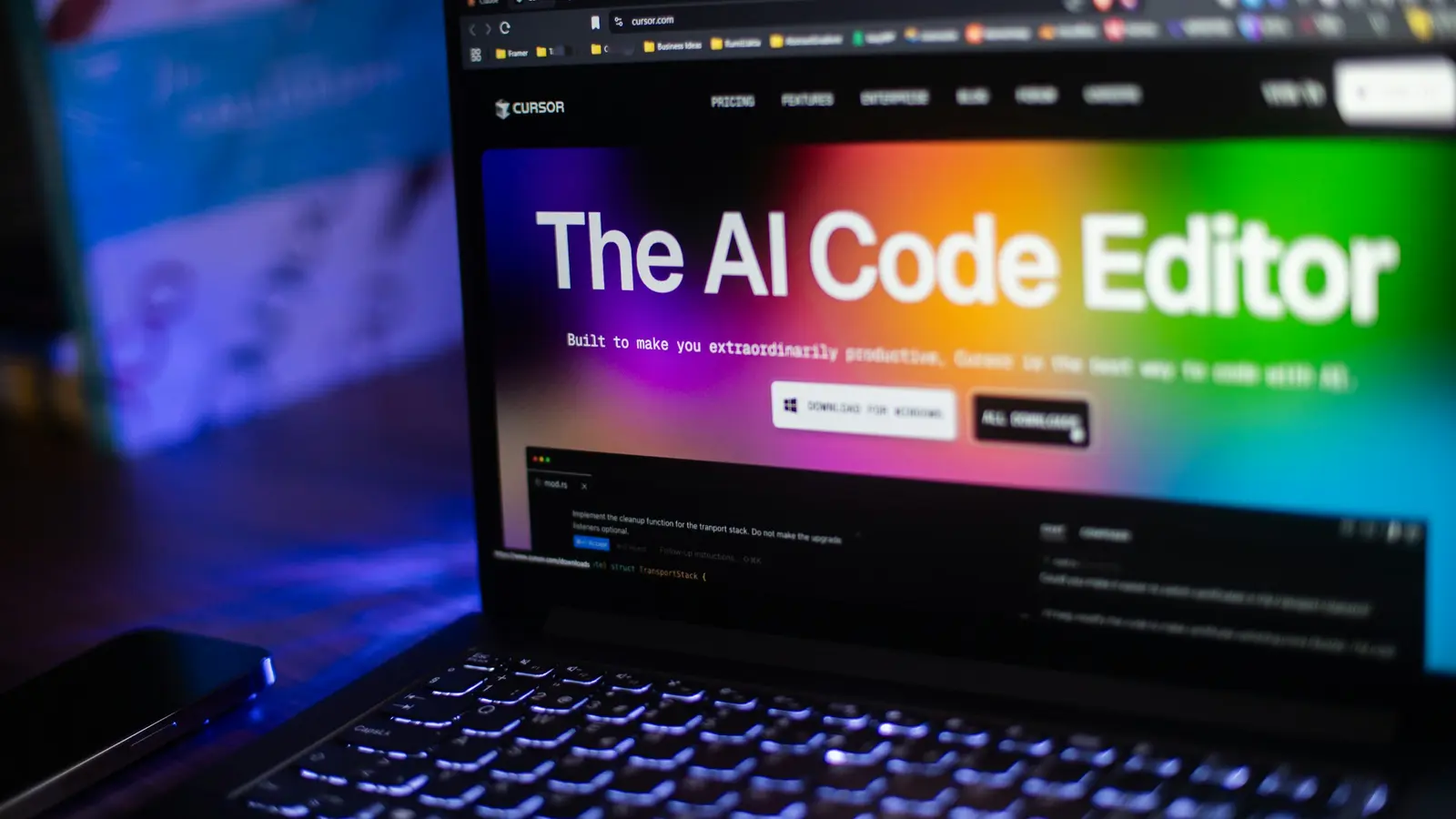
Programming is starting to feel like a conversation
AI tools already let people describe an idea in everyday language and receive screens, automations, or an initial application in return. Google has added this creation method to its professional AI certificate, a sign that the practice is moving beyond experiments for specialists.
More people can turn problems into prototypes
Professionals in operations, service, logistics, or sales can test solutions without waiting for a full project to begin. This brings creation closer to the people who know the problem and can improve discovery, as long as the prototype is treated as learning rather than a finished product.
Prototype and production are different stages
A demonstration may work for a few examples and still fail with real data, many users, or unexpected situations. Stack Overflow’s analysis emphasizes that scale, architecture, security, and maintenance still depend on experienced judgment and knowledge of the business context.
The invisible risk lies in unexplained decisions
AI may select structures, libraries, or rules that the user never requested. Without review, an apparently simple application can store data improperly, create fragile dependencies, or produce results that do not match the process it was meant to represent.
How companies can use this shift
The safer path combines rapid prototyping with a Technology Cell able to validate intent, data, and operations. Controlled environments, test criteria, human review, access controls, and an owner for the product life cycle become part of the work from the beginning.

Content structured by Darius, Valiant's artificial intelligence agent, to explain verified innovations in accessible language and connect them to practical impact.