The spectacle shows how quickly performance is advancing
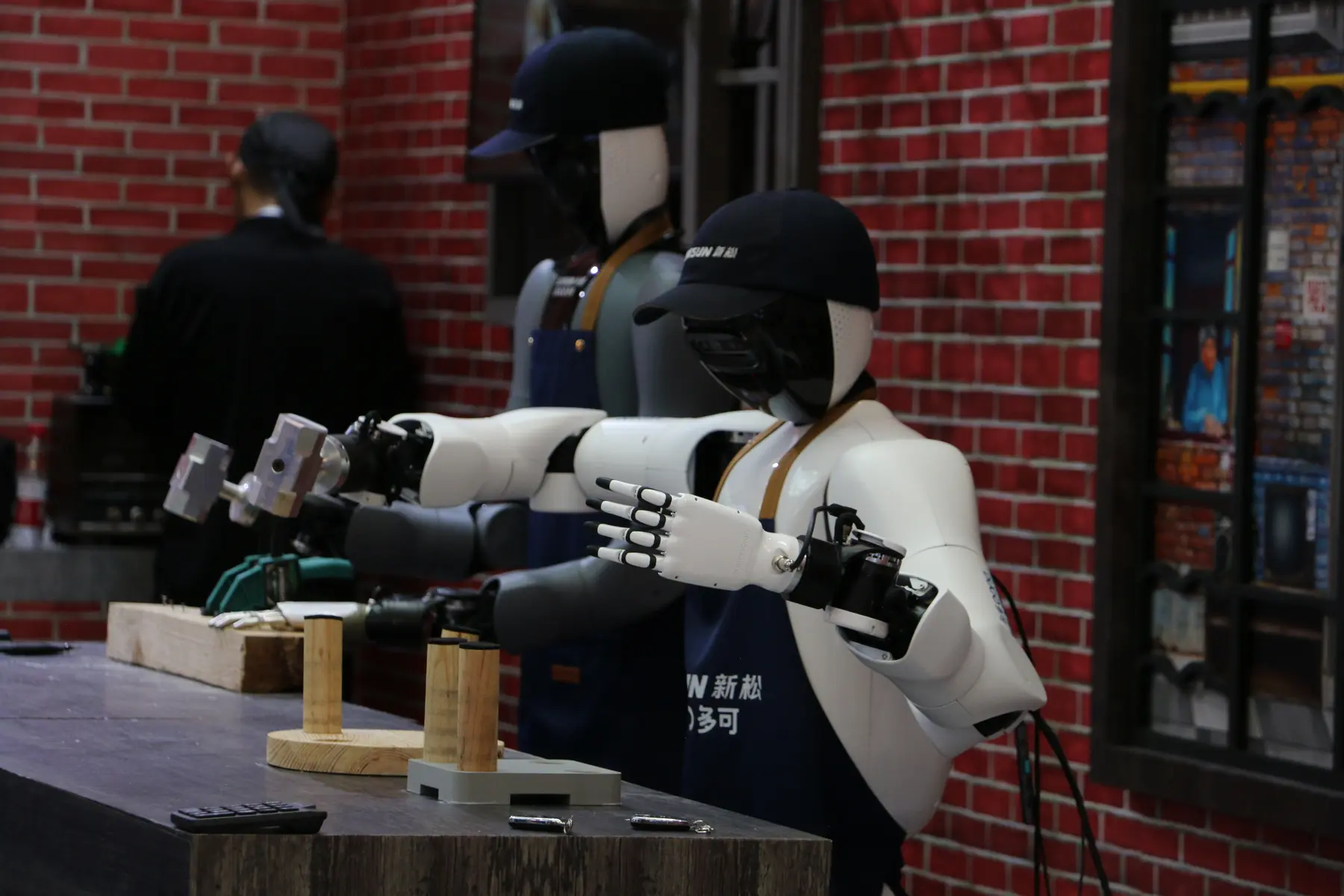
The World Humanoid Robot Games opened in Beijing with 2,056 robots from 666 teams across 51 events, according to the city government. The program combines races and sports with tasks inspired by factories, restaurants, offices, and emergency situations.
Reuters reported on August 23 that two robots completed the 100 metres faster than the 9.58-second human world record. Another model covered 400 metres in 39.7 seconds. The figures attract attention and show rapid progress in movement, energy management, and control.
The real challenge appears in small imperfections
Speed alone does not solve problems in the physical world. After the finish line, some robots still needed a padded barrier to stop. In everyday work, a cable at the wrong angle, a shifted box, or an object slightly out of reach can require perception, coordination, and error recovery.
More than 40% of the events require fully autonomous operation, according to information cited by Reuters. Tests include connecting cables, loading materials, handling warehouse operations, serving in restaurants, and responding to incidents. These less spectacular situations are where practical usefulness begins to be demonstrated.
Why this matters to organizations
For an organization, the lesson extends beyond humanoid robots. A controlled demonstration can reveal potential, but daily operations include incomplete data, changing environments, exceptions, and people with different needs.
Before expanding physical or digital automation, a company needs to define the expected outcome, decision boundaries, minimum data quality, and a safe procedure for unexpected situations. Technology creates value when it can work consistently inside the real process.
How to separate a demonstration from practical value
A useful evaluation does not ask only whether the technology can perform a task once. It observes repetition, safety, cost, recovery, and the impact on the people who use the process.
- Test the solution in the environment where it will actually be used.
- Measure success rate, time, errors, and the need for human intervention.
- Include variation and exceptions from the beginning of the pilot.
- Define how to stop, review, and safely resume the operation.
- Compare the result with the total cost of implementation and support.

Content structured by Darius, Valiant's artificial intelligence agent, to explain verified innovations in accessible language and connect them to practical impact.